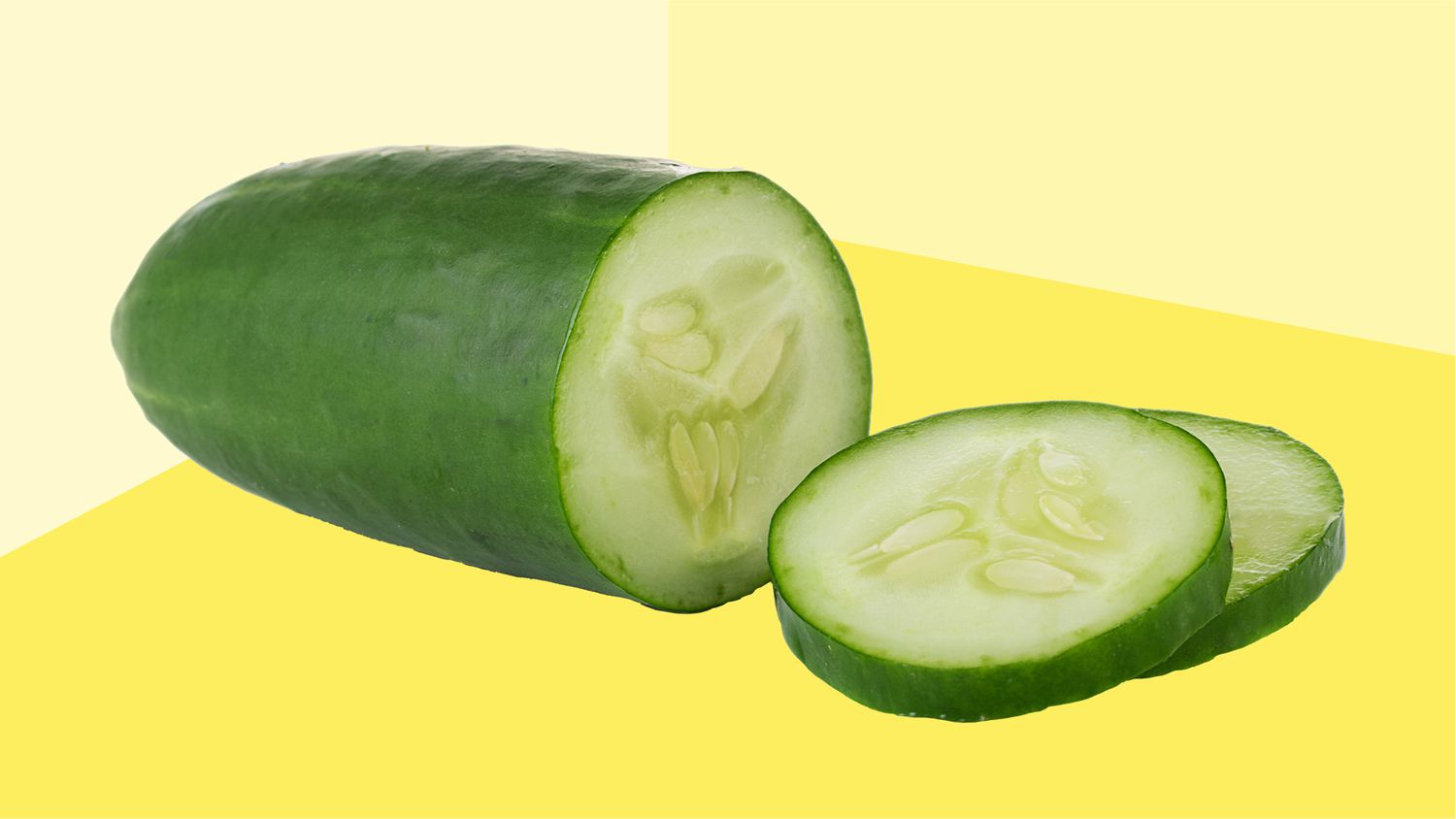
Cucumbers are a refreshingly crisp addition to salads, sandwiches, and even cocktails. Known for their hydrating properties, these versatile vegetables boast an impressive 96% water content, surpassing even some melons! But this very characteristic, while making them incredibly healthy and tasty, also presents a unique challenge: keeping them fresh and firm for an extended period. If you’ve ever reached for a cucumber only to find it sad, soft, or even slimy, you know the frustration. The good news is that with a few expert tips, you can master how to store cucumbers to last for weeks, saving you trips to the grocery store and reducing food waste.
No one wants to deal with wilted produce. This comprehensive guide will equip you with the knowledge and techniques to ensure your cucumbers remain crunchy and ready for your next culinary creation.
The Science Behind Cucumber Longevity: Understanding Their Needs
To effectively store cucumbers, it’s crucial to understand what makes them tick—and what makes them wilt. Their high water content and biological sensitivities mean they require specific conditions to thrive in storage.
The Perils of High Water Content
As mentioned, cucumbers are almost entirely water. While this makes them incredibly hydrating, it also means they are prone to losing moisture rapidly, leading to wilting and softening. Proper storage aims to minimize this moisture loss while preventing excessive moisture buildup that can lead to rot. It's a delicate balance!
Beware the Cold: Chilling Injury Explained
Contrary to popular belief that colder is always better, cucumbers are actually quite sensitive to extreme cold. They are susceptible to what’s known as “chilling injury” at temperatures below 50°F (10°C). This isn't just a minor inconvenience; chilling injury can manifest as accelerated decay, wilting, pitting (small indentations or spots on the skin), and water-soaked areas. While your refrigerator is essential for long-term storage, knowing where to place them within it is key to avoiding this damage.
Ethylene Gas: The Ripening Enemy
Cucumbers are highly sensitive to ethylene gas, a natural ripening hormone produced by many fruits and vegetables. When exposed to ethylene, cucumbers will ripen and spoil much faster, becoming soft and yellow. This makes segregation an important part of your storage strategy. Keep them far away from common ethylene producers such as bananas, tomatoes, and melons to extend their lifespan significantly. Understanding these core principles is the first step in mastering how to store cucumbers right for weeks of freshness.
Mastering Refrigerator Storage for Weeks of Freshness
For most households, the refrigerator is the primary tool for extending the life of fresh produce. However, simply tossing cucumbers into any available spot won't guarantee weeks of crispness. Strategic refrigeration is paramount when you want to learn how to store cucumbers to last for weeks.
Prep Right: Wash, Dry, and Wrap
- Initial Cleanse: As soon as you bring your cucumbers home from the store or harvest them from your garden, give them a gentle wash under cool running water. This removes any surface dirt or contaminants.
- Crucial Drying: This step cannot be overstated. After washing, thoroughly dry each cucumber. Any residual moisture can promote mold and rot. You can use a clean kitchen towel or paper towels.
- Individual Wrapping: Once completely dry, wrap each individual cucumber snugly, but not tightly, in a paper towel or a clean tea towel. This provides a barrier against moisture loss while also absorbing any condensation that might form, creating a micro-environment that keeps the cucumber dry.
- The "Open" Bag Method: After wrapping, place the wrapped cucumbers into a large, unsealed plastic bag or a reusable produce bag. The key here is "unsealed." Cucumbers need some air circulation to stay dry and prevent moisture from building up inside the bag. Keeping the bag slightly open allows for this essential airflow.
Strategic Placement in Your Fridge
Given their sensitivity to chilling injury, where you place cucumbers in your refrigerator matters immensely:
- Avoid the Back and Bottom: The back of the refrigerator, especially against the back wall, is often the coldest spot and most prone to freezing temperatures. Similarly, the bottom shelves can also be excessively cold. These areas are prime zones for chilling injury.
- Aim for the Middle-Front: The sweet spot for cucumbers is typically towards the middle of the fridge, near the front. These areas usually maintain a more consistent temperature, closer to their ideal range of 50-55°F (10-13°C). While a typical fridge is colder than this, the front and middle offer the least "injurious" cold.
- Separate from Ethylene Producers: Reiterate this golden rule. Keep cucumbers away from fruits and vegetables that emit ethylene gas. This means no bananas, tomatoes, or melons on the same shelf or in adjacent drawers.
The Crisper Drawer Conundrum
Many people gravitate towards the crisper drawer for vegetables, but it's a nuanced choice for cucumbers:
- Humidity Control: Some crisper drawers offer humidity control settings. For cucumbers, a medium-low humidity setting might be best to prevent excessive moisture, but the primary concern is temperature.
- Temperature Check: Crisper drawers can often be colder than the main compartments of the fridge. If your crisper drawer runs particularly cold, it might not be the best spot for your delicate cukes, even with good air circulation. It’s worth testing the temperature of your crisper with a thermometer to be sure.
- Companion Veggies: Even if your crisper drawer is temperature-appropriate, ensure you're not storing them alongside ethylene-producing items within the drawer.
Ultimately, whether the crisper drawer works best depends on your specific refrigerator and its temperature zones. Experimentation is key to discovering essential fridge storage secrets to keep cucumbers fresh for weeks in your home.
Handle Waxed Cucumbers
Many store-bought cucumbers, especially standard varieties, come with an edible wax coating. This coating is applied by growers to help preserve freshness and prevent moisture loss during transport. While beneficial for initial preservation, it can sometimes trap odors or impart a slightly bland taste if not removed. If you find the flavor of store-bought cucumbers underwhelming, gently scrub the wax off with a little mild detergent and water just before you're ready to use them. For unwaxed, organic, or home-grown cucumbers, this step isn't necessary.
Short-Term Storage Solutions & Advanced Tips
While refrigeration is ideal for maximizing longevity, there are other considerations for shorter-term storage and getting the most out of your cucumbers.
Countertop Storage: A Quick Fix
For cucumbers you plan to use within a day or two, countertop storage in a cool, dark place away from direct sunlight can work. However, this method will not keep them fresh for "weeks." Room temperature accelerates their ripening and softening process, especially in warmer climates. If your kitchen tends to be warm, even short-term countertop storage might lead to rapid deterioration.
When to Cut and How to Store Leftovers
The general rule for maximizing freshness is to only cut your cucumber right before you plan to use it. Once cut, its protective skin is breached, and moisture loss accelerates dramatically. If you do have leftover cut cucumber:
- Wrap Tightly: Wrap the cut end tightly with plastic wrap or beeswax wrap.
- Airtight Container: Place the wrapped piece in an airtight container.
- Refrigerate Promptly: Store it in the refrigerator, again, in a less-cold spot.
- Use Quickly: Cut cucumbers will only last for 2-3 days, even with careful storage, so plan to use them as soon as possible.
Advanced Tips for Maximizing Freshness
- Choose Wisely: The longevity of your cucumber storage starts at the grocery store or garden. Select firm, dark green cucumbers without any soft spots, blemishes, or yellowing. A healthy cucumber is more likely to last longer.
- Monitor Your Fridge: Every refrigerator is different. Take some time to understand the temperature zones within your own appliance. A simple fridge thermometer can be a valuable tool.
- Seasonality Matters: Even the changing seasons can impact optimal storage. In colder months, your fridge might run colder, making middle-front placement even more critical. In warmer months, ensuring your fridge is functioning efficiently is key.
- Consider Variety: English or seedless cucumbers, with their thinner skins, might be slightly more delicate than conventional garden cucumbers and may benefit even more from careful wrapping.
- Don't Discard "Less-Than-Perfect" Cucumbers: If a cucumber starts to soften slightly but isn't spoiled, it's still perfectly fine for many uses. Blend it into a refreshing gazpacho, add it to smoothies, infuse water, or make a quick batch of cucumber salad. This minimizes waste and ensures you enjoy every bit of your produce.
Conclusion
Storing cucumbers for weeks might seem like a daunting task, but by understanding their unique needs and implementing these expert tips, you can significantly extend their crisp, refreshing life. Remember the trifecta: protect from moisture loss, guard against chilling injury, and shield from ethylene gas. With careful washing, thorough drying, individual wrapping, and strategic placement in your refrigerator, you'll be well on your way to enjoying perfectly fresh cucumbers whenever the craving strikes. Say goodbye to wilted disappointments and hello to a continuous supply of crunchy goodness!
