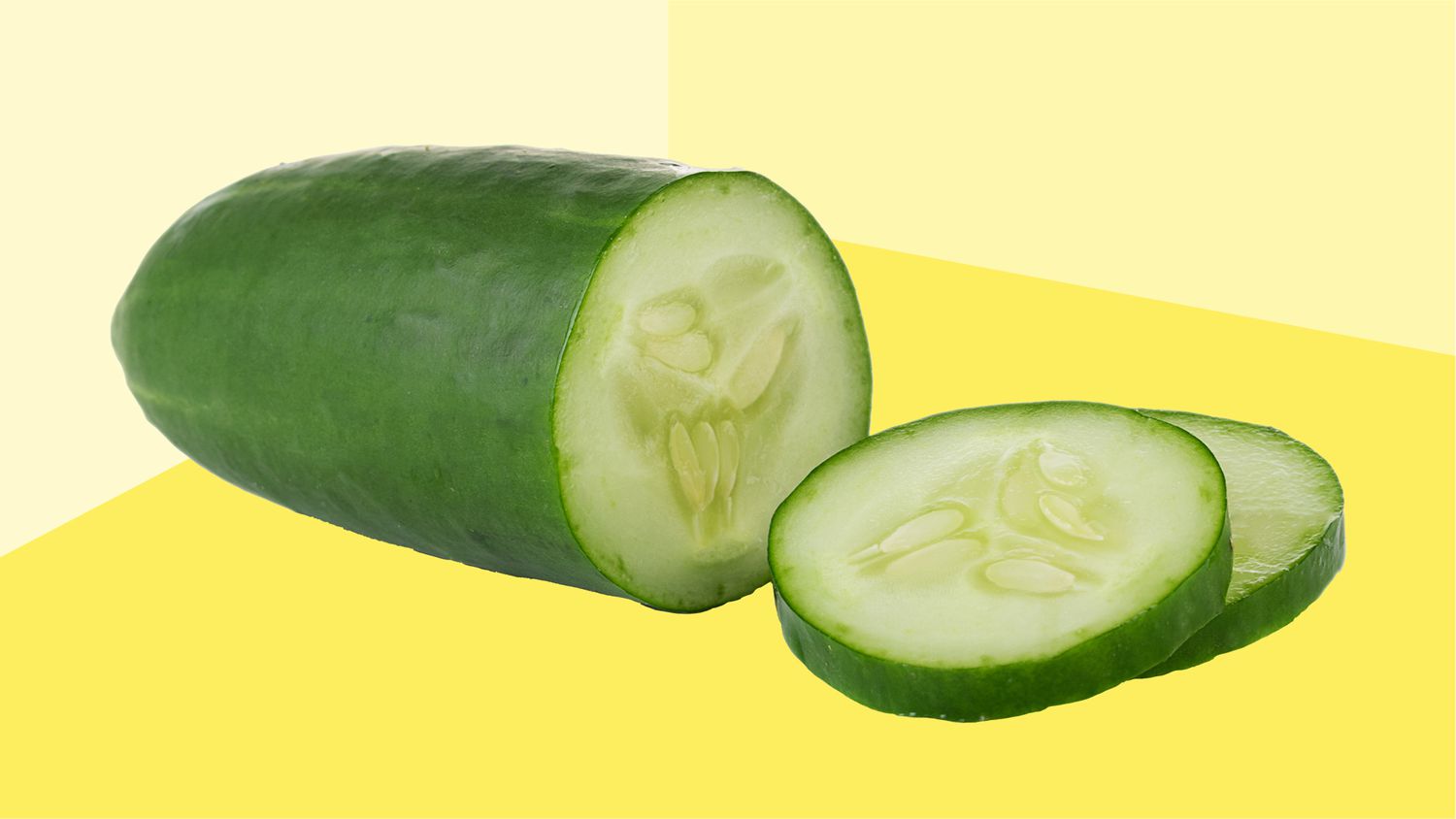
The Quest for Crispness: Unlocking Weeks of Cucumber Freshness
Cucumbers are a universally loved vegetable, gracing salads with their refreshing crunch, adding a cool element to sandwiches, and even starring in hydrating drinks. Their mild flavor and crisp texture make them incredibly versatile, but there's a common frustration: how quickly they can turn from firm and vibrant to soft and sad. If you've ever wondered
how to store cucumbers to last for weeks, you're not alone. The secret lies in understanding their unique composition and environmental sensitivities. With the right techniques, you can extend the life of your fresh cucumbers significantly, ensuring you always have a crisp bite ready for your next culinary creation.
The Unique Challenge of Cucumber Storage: It's All About the Water
The primary reason cucumbers pose a storage challenge is their astonishingly high water content. At a remarkable 96% water by volume, they even outrank popular melons, living up to the phrase "cool as a cucumber" not just in temperature, but in their inherent hydration. While this makes them incredibly refreshing, it also makes them prone to rapid decay if not handled properly.
This high water volume means they are constantly losing moisture, leading to wilting, and are also highly susceptible to chilling injury and external ripening agents. Improper storage can quickly lead to soft, mushy, or slimy cucumbers, turning a healthy snack into food waste. Our goal is to create an environment that minimizes moisture loss while protecting them from damaging temperatures and gases, thus preserving that delightful crunch for an extended period.
Pre-Storage Prep: Universal Steps for Longevity
Before even considering where to stash your cucumbers, a few universal preparatory steps are crucial, whether they've just arrived from the grocery store or been harvested fresh from your garden. These initial actions lay the foundation for successful long-term storage.
Clean and Dry Thoroughly
The first and perhaps most critical step is to wash your cucumbers and then dry them *completely*. Use cool running water to gently remove any dirt or debris. Afterward, pat them absolutely dry with a clean paper towel or a soft tea towel. Any residual moisture on the skin creates an ideal breeding ground for mold and bacteria, significantly accelerating spoilage. This thorough drying step is non-negotiable for maximizing freshness.
The Power of a Protective Wrap
Once dry, individually wrapping each cucumber is a game-changer. You can use paper towels, a clean tea towel, or even a breathable cloth. This wrap serves a dual purpose: it absorbs any condensation that might form, preventing moisture accumulation on the cucumber's skin, and it provides a gentle barrier. For even better results, after wrapping, place the cucumber in a loose-fitting plastic bag – grocery bags or produce bags work well. The key here is *not* to seal the bag tightly. Cucumbers need some air circulation to stay dry and prevent premature rotting. Keeping the bag slightly open allows for this essential airflow.
Mind the Ethylene Gas
Cucumbers are incredibly sensitive to ethylene gas, a natural ripening hormone produced by many fruits and vegetables. Exposure to ethylene will cause cucumbers to yellow, soften, and spoil much faster. Therefore, it's vital to store them away from known ethylene producers. Common culprits include:
- Bananas
- Tomatoes
- Apples
- Melons
- Avocados
- Peaches
Always keep your cucumbers in a separate area from these items to
avoid wilting and store cucumbers longer with these expert tips. This simple separation can make a dramatic difference in their lifespan.
Refrigerator Storage: The Gold Standard for Freshness
For most home cooks aiming to store cucumbers for weeks, the refrigerator is the go-to solution. However, it requires a nuanced approach, as simply tossing them into the fridge can lead to chilling injury and accelerate decay.
Finding the Temperature Sweet Spot
Despite the "cool as a cucumber" adage, cucumbers are surprisingly sensitive to overly cold temperatures. They are prone to "chilling injuries" when exposed to temperatures below 50°F (10°C). Symptoms of chilling injury include accelerated decay, wilting, pitting on the skin, and a general loss of crispness. Most refrigerators run colder than this, typically between 35-40°F (1.7-4.4°C).
To mitigate this, strategic placement within the fridge is key:
- Avoid the very back: The back of most refrigerators is often the coldest spot.
- Avoid the bottom shelves: Similarly, the bottom tends to be colder than the middle or top.
- Opt for the front-middle: Storing your wrapped, loosely bagged cucumbers towards the front and middle shelves of your fridge, where temperatures are slightly warmer and more consistent, is generally your best bet.
The Crisper Drawer Conundrum
The crisper drawer can be a viable option, but it comes with caveats. Many crisper drawers are designed to maintain a specific humidity level (high or low, depending on the setting), and some also suffer from being too cold, especially if located directly over the compressor.
- If using the crisper: Ensure the humidity setting is on "low" to allow for better air circulation and prevent excess moisture build-up.
- Monitor temperature: It's wise to test your crisper drawer's actual temperature. If it consistently dips below 50°F (10°C), it might not be the best place for cucumbers.
- Ethylene check: Double-check that you're not storing any ethylene-producing fruits or vegetables in the same drawer as your cucumbers.
By following these careful steps, you can realistically expect fresh, whole cucumbers to last 1-2 weeks in the refrigerator. For more in-depth advice on optimizing your fridge, check out our guide on
Keep Cucumbers Fresh for Weeks: Essential Fridge Storage Secrets.
Dealing with Waxed Cucumbers
Many store-bought cucumbers, particularly the larger varieties, come with an edible wax coating. This wax is applied to help prevent moisture loss and extend shelf life during transport and display. While effective for preservation, it can sometimes impart a bland or slightly off-flavor, and some prefer to remove it for aesthetic or dietary reasons. If you wish to remove the wax, do so right before you plan to use the cucumber by gently scrubbing it under water with a brush or a little mild soap. Rinsing thoroughly is essential.
Storing Cut Cucumbers
Once a cucumber is cut, its shelf life drastically reduces. The exposed flesh becomes an open invitation for moisture loss and bacterial growth. To store cut cucumbers:
- Wrap the cut side tightly with plastic wrap.
- Alternatively, place them in an airtight container with a paper towel at the bottom to absorb excess moisture.
- Store them in the fridge.
Even with proper storage, plan to use cut cucumbers within 1-2 days for optimal freshness and texture. Do not submerge cut cucumbers in water, as this can make them mushy.
Alternative Storage Methods: Countertop and Freezer Considerations
While the refrigerator is best for extended freshness, you might wonder about other options.
Countertop Storage: Short-Term Only
Storing cucumbers on the countertop is generally *not* recommended if your goal is to make them last for weeks. Cucumbers prefer cooler temperatures than most room environments, especially during warmer seasons.
- Best for: Using within 1-2 days, or if your kitchen is exceptionally cool (below 60°F / 15°C) and stable.
- Caveats: Keep them away from direct sunlight and any ethylene-producing fruits. If left out too long, they will quickly soften and yellow. For true longevity, the fridge is superior.
Freezer Storage: A Different Purpose
Freezing cucumbers is a viable option, but it's important to understand that it fundamentally changes their texture. Due to their high water content, cucumbers will become very soft and watery upon thawing, making them unsuitable for fresh eating, salads, or sandwiches.
- Best for: Smoothies, detox water, chilled soups (like gazpacho), or cooking applications where texture isn't paramount.
- How to freeze:
- Wash and thoroughly dry the cucumbers.
- Peel them if desired (this often improves texture for frozen use).
- Slice or dice them into uniform pieces.
- Lay the pieces in a single layer on a parchment-lined baking sheet and freeze until solid (this prevents them from clumping together).
- Transfer the frozen pieces to freezer-safe bags or containers, removing as much air as possible before sealing.
- Duration: Frozen cucumbers can last for up to 6-9 months, offering a convenient option for specific culinary uses long after their fresh season.
Conclusion
Mastering
how to store cucumbers to last for weeks boils down to a combination of careful preparation and thoughtful environmental control. By understanding their sensitivity to moisture, temperature, and ethylene gas, you can transform your approach to cucumber storage. From the initial wash and thorough drying to strategic placement in your refrigerator and careful handling of cut portions, each step contributes to preserving that satisfying crunch. Implement these practical tips, and you'll not only reduce food waste but also enjoy the consistent availability of fresh, crisp cucumbers, ready to enhance your meals whenever inspiration strikes.