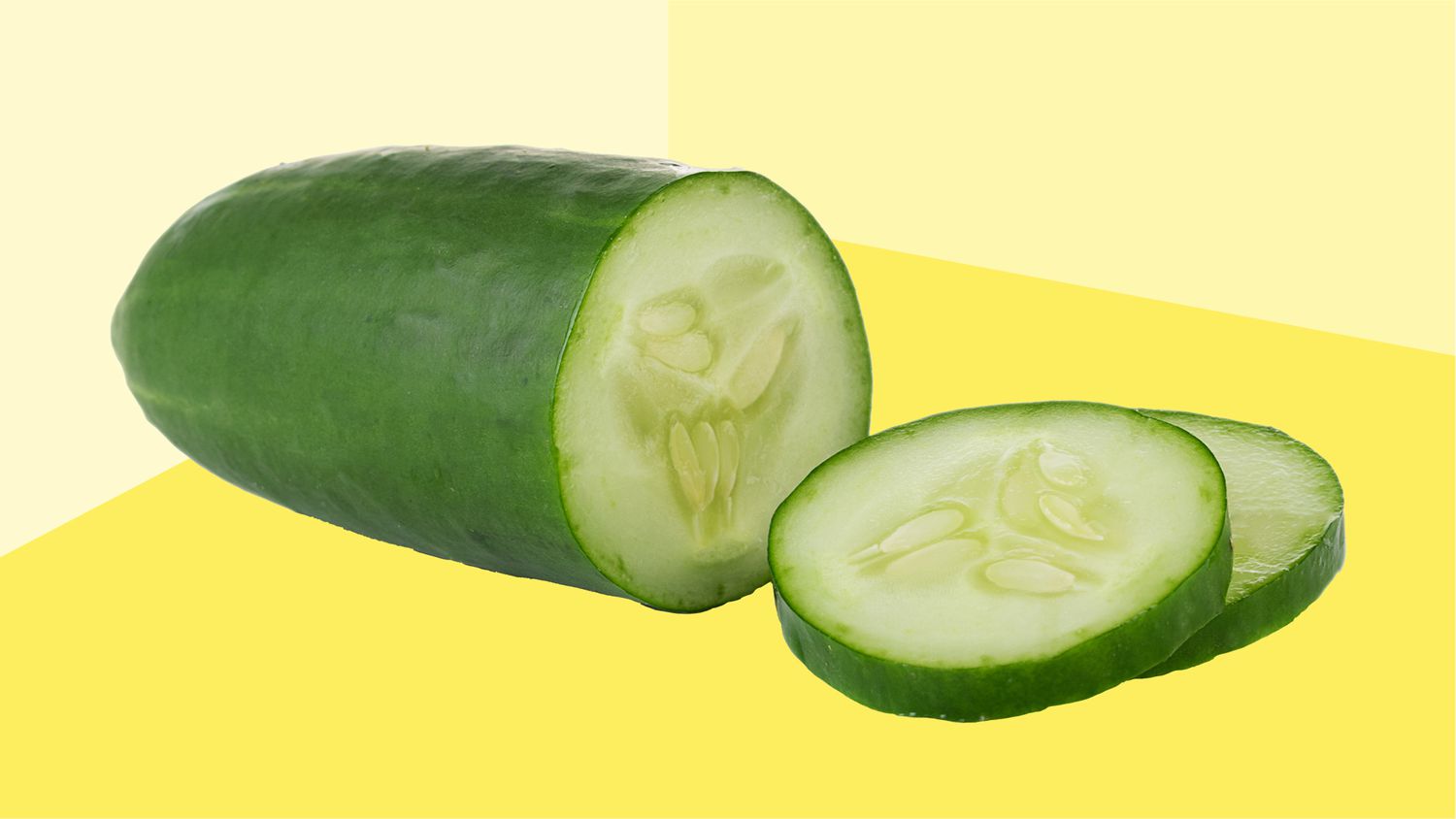
Cucumbers are a refreshing staple in kitchens worldwide, gracing everything from vibrant salads and hearty sandwiches to revitalizing spa water and tangy pickles. Their crisp texture and mild, cooling flavor make them a versatile favorite, especially during warmer months. However, anyone who has reached for a cucumber only to find it soft, slimy, or shriveled knows the frustration of this water-rich vegetable turning prematurely. The good news is that with the right approach, you can significantly extend their shelf life, ensuring your cucumbers stay fresh and crunchy for weeks.
Understanding how to store cucumbers to last for weeks involves a bit of science and some practical kitchen savvy. Cucumbers boast an impressive 96% water content, surpassing even melons in hydration. While this makes them incredibly refreshing, it also presents unique challenges for long-term storage, as excess moisture and improper temperatures can quickly lead to spoilage. But don't despair! By following a few key principles, you can keep your cucumbers at their peak, saving you trips to the grocery store and reducing food waste.
The Science Behind Long-Lasting Cucumbers
Before diving into specific storage methods, it's crucial to understand the factors that impact a cucumber's freshness. By addressing these core issues, you can create an optimal environment for your cukes to thrive for weeks, not just days.
The Critical Role of Cleanliness and Dryness
First and foremost, whether your cucumbers come from your garden or the grocery store, proper preparation is key. Always wash and thoroughly dry your cucumbers before storing them. While it might seem counterintuitive to wash something you're trying to keep dry, removing any surface dirt or potential bacteria is essential. However, the drying part is equally, if not more, important. Any residual moisture on the cucumber's skin can become a breeding ground for mold and accelerate decay. Use a clean kitchen towel or paper towels to gently pat them completely dry.
For more insights into handling high-water-content vegetables, explore High Water Content? Store Cucumbers Right for Weeks of Freshness.
Temperature Sensitivity: The "Cool as a Cucumber" Myth
The phrase "cool as a cucumber" might suggest these veggies love frigid temperatures, but that's a common misconception. Cucumbers are quite sensitive to cold. Temperatures below 50°F (10°C) can cause what’s known as "chilling injury." This damage isn't immediately visible but manifests as accelerated decay, soft spots, wilting, and pitting over time. Your refrigerator, typically set between 35-40°F (1.7-4.4°C), is often too cold for ideal cucumber storage if not managed correctly. The goal is to keep them cool, but not *too* cold.
The Ethylene Gas Enemy
Another major culprit in premature cucumber spoilage is ethylene gas. Ethylene is a natural ripening hormone produced by many fruits and vegetables. While beneficial for ripening certain produce (like avocados or bananas), cucumbers are incredibly sensitive to it. Exposure to ethylene gas will significantly speed up their decay, causing them to yellow, soften, and go bad much faster. Therefore, it's vital to keep your cucumbers separated from high-ethylene producers such as:
- Bananas
- Tomatoes
- Apples
- Melons
- Pears
Moisture Management and Air Circulation
Cucumbers need a balance: they like to stay dry on the surface, but also require some air circulation to prevent moisture accumulation and rot. Sealing them in an airtight container or bag without any ventilation can trap moisture, creating a humid environment that encourages bacterial growth and sliminess. The trick is to protect them from external moisture while allowing them to breathe.
Mastering Refrigerator Storage for Weeks of Freshness
The refrigerator is generally the best place to store cucumbers for extended periods, but precision is key. Here are the most effective methods to keep them crisp for up to two weeks, and sometimes even longer.
Method 1: The Wrapped and Slightly Open Bag Approach
This method is widely considered one of the most effective for maximizing cucumber longevity in the fridge.
- Preparation is Paramount: As discussed, start with fresh, whole cucumbers. Wash them thoroughly under cool running water and then pat them completely dry with a clean cloth or paper towels.
- Wrap Them Gently: Each cucumber should be individually wrapped. Paper towels are an excellent choice as they absorb any latent moisture and provide a buffer against the cold. Alternatively, a clean, thin tea towel can work well, offering a more sustainable option. The wrapping helps to insulate them from the cold and manage surface moisture.
- Place in an Open Bag: Once wrapped, place the cucumbers into a plastic bag (like a grocery produce bag or a reusable mesh produce bag) or a large zip-top bag. The critical step here is not to seal the bag completely. Leave it slightly open, or poke a few small holes in it. This allows for essential air circulation, preventing moisture from becoming trapped and creating a humid, spoilage-friendly environment.
- Strategic Fridge Placement: To avoid chilling injury, be mindful of where you place your wrapped cucumbers. Most refrigerators are coldest at the back and bottom. Aim for the middle shelf toward the front of your fridge. This area typically maintains a more consistent, slightly warmer temperature than other sections, keeping your cucumbers cool without freezing them.
Stored this way, your whole cucumbers can realistically stay fresh for 1 to 2 weeks, with some anecdotal reports stretching to three weeks under optimal conditions. Remember, using them as soon as possible after purchase or harvest will always yield the best flavor and texture.
Method 2: Utilizing Your Crisper Drawer Effectively
The crisper drawer is designed to help maintain the freshness of produce, but it comes with its own set of considerations for cucumbers.
- Crisper Functionality: Crisper drawers often have humidity controls. For cucumbers, which benefit from some airflow and prefer to stay dry, a slightly lower humidity setting is generally better if your fridge offers this option. The drawer's design naturally provides some air circulation around the vegetables, which is beneficial.
- Watch the Temperature: Be aware that crisper drawers, especially those at the very bottom of the fridge, can sometimes get too cold for cucumbers, leading to chilling injury. If you notice your cucumbers softening or pitting prematurely when stored here, try adjusting your fridge settings or opting for the wrapped-and-bagged method on a higher shelf.
- Ethylene Awareness in the Crisper: This is crucial. Never store cucumbers in the same crisper drawer as ethylene-producing fruits and vegetables. If you have two crisper drawers, dedicate one to ethylene-sensitive produce (like cucumbers, leafy greens, and bell peppers) and the other to ethylene producers (like apples, pears, and ripe tomatoes). If you only have one, prioritize separating them using bags or dividers.
While some sources suggest storing unwashed cucumbers in the crisper, washing and drying them first, then perhaps wrapping them loosely in a paper towel, will always contribute to longer-lasting freshness. It's often a matter of trial and error to see what works best with your specific refrigerator and its unique temperature zones. For more expert insights on preventing wilting, check out Avoid Wilting: Store Cucumbers Longer with These Expert Tips.
Beyond the Basics: Advanced Tips for Cucumber Longevity
To truly master the art of cucumber preservation, consider these additional insights and common scenarios.
Understanding Store-Bought Wax Coatings
Many commercially grown cucumbers are treated with an edible wax coating. This thin layer helps to prevent moisture loss and protect the cucumber during transit, thereby extending its shelf life. While the wax is food-grade, it can sometimes contribute a bland flavor or feel. If you prefer to remove it, simply scrub the cucumber gently with a vegetable brush under running water, possibly with a small amount of mild dish soap, just before you plan to use it. Rinse thoroughly.
The Critical Rule for Cut Cucumbers
Once a cucumber is cut, its shelf life drastically diminishes. The exposed flesh quickly loses moisture and becomes susceptible to bacterial growth and spoilage. For this reason, only cut cucumbers when you are ready to use them. If you absolutely must store a cut cucumber:
- Wrap the cut end tightly with plastic wrap or beeswax wrap.
- Place the wrapped cucumber in an airtight container.
- Store it in the coolest part of your fridge.
Even with these precautions, a cut cucumber will only last for 1-3 days before starting to lose its crispness and quality. It's best to eat them quickly.
Considering Environmental Factors and Seasonal Changes
The ideal storage location for cucumbers can even be influenced by the season. In a very cool pantry (below 60°F or 15°C) during winter, whole, unwrapped cucumbers might do fine on the counter for a few days. However, for true longevity and especially during warmer months, the refrigerator methods outlined above are superior. Always prioritize a consistently cool (but not freezing), dry, and ethylene-free environment.
Troubleshooting Common Cucumber Storage Issues
Even with the best intentions, cucumbers can sometimes go south. Knowing what to look for and what to do can save a batch.
Signs of Spoilage
- Soft Spots or Sliminess: These are clear indicators of decay. Discard immediately.
- Yellowing: Often a sign of over-ripening, potentially due to ethylene exposure. While still edible, the flavor might be less fresh.
- Pitting or Water-Soaked Areas: Classic signs of chilling injury. The cucumber might still be edible, but its texture and flavor will be compromised.
- Mold: Any visible mold means it's time to throw it out.
What to Do with Softening Cucumbers
If your cucumbers are just starting to soften but show no other signs of spoilage, they can often be salvaged for certain uses:
- Quick Pickles: A slightly softer cucumber works perfectly for making quick refrigerator pickles.
- Infused Water: Slice them up for refreshing cucumber water.
- Smoothies or Gazpacho: Their texture won't be as noticeable in blended recipes.
- Beauty Treatments: Cucumber slices are famous for soothing tired eyes!
By understanding the unique needs of this high-water-content vegetable and implementing these strategic storage methods, you can significantly extend the life of your cucumbers. From careful washing and drying to mindful wrapping and precise fridge placement, each step plays a vital role in preserving that delightful crunch and fresh flavor. Say goodbye to wasted, wilted cukes and hello to weeks of crisp, delicious goodness!
